NO AI FOR WAR
···
NO AI FOR WAR ···
NO AI FOR WAR
✈✈✈
NO AI FOR WAR ✈✈✈

Background
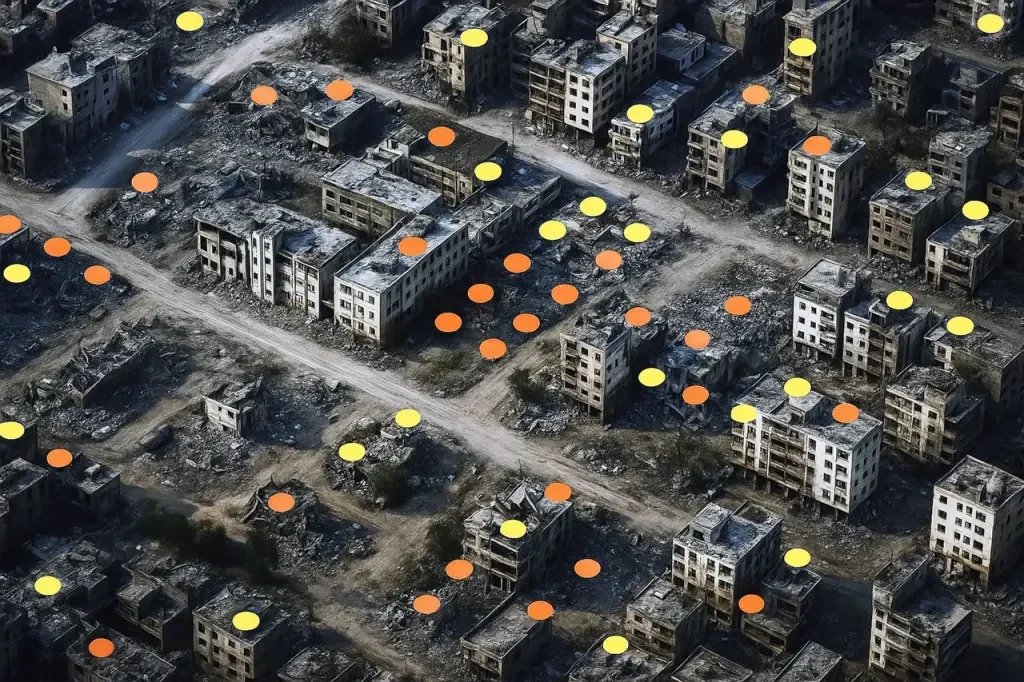
AI in war makes attacks more deadly and destructive, and vastly increases the scale of violence that can be committed. Gaza was a testing ground for the Israelis, supported by the U.S. government and U.S. tech, to carry out mass strikes on the people of Gaza. Now AI is being used by Trump’s Department of Defense, ICE and other entities to target and strike not only people overseas but in the U.S. Without guidelines, adherence to international agreements, or regulation, AI should be banned from use in war.

-
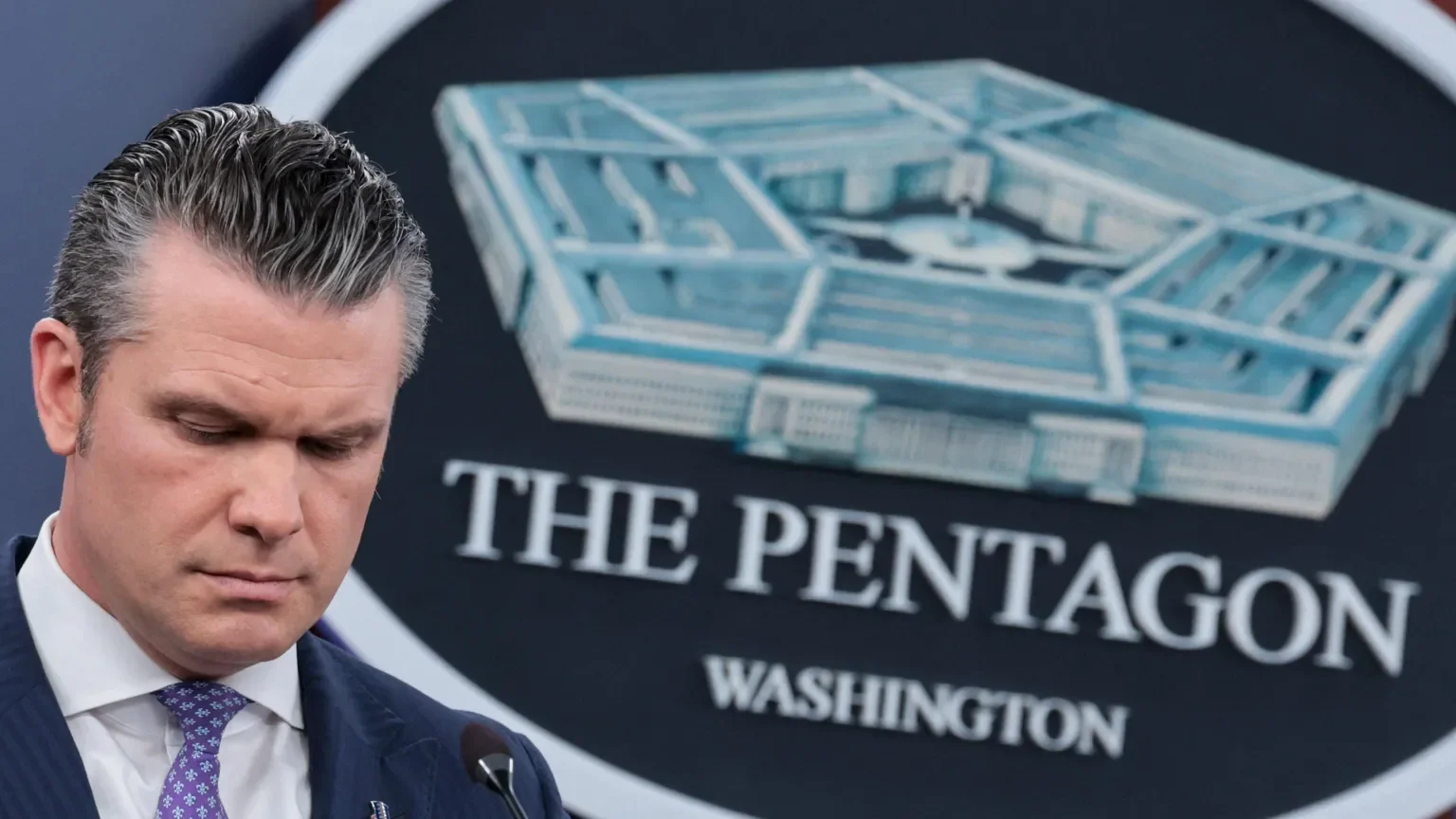
On July 14, 2025, the Pentagon awarded $200 million contracts to leading U.S. frontier Artificial Intelligence (AI) companies to begin integrating AI capabilities into the Department of Defense (DOD). At the start of 2026, it launched the AI Acceleration Strategy to accelerate AI integration into military operations and advance U.S. national security. The Pentagon was in open discussions with OpenAI, Anthropic, Google, and xAI to utilize their AI software on classified networks without the standard restrictions these companies typically apply to their users. While OpenAI, Google, and xAI complied, Anthropic hesitated to remove its safeguards due to concerns over AI ethics and safety. Ultimately, the Pentagon ended its contract with Anthropic, classified the company as a supply-chain risk to national security, and blacklisted it from contractors doing business with the U.S. military.
-
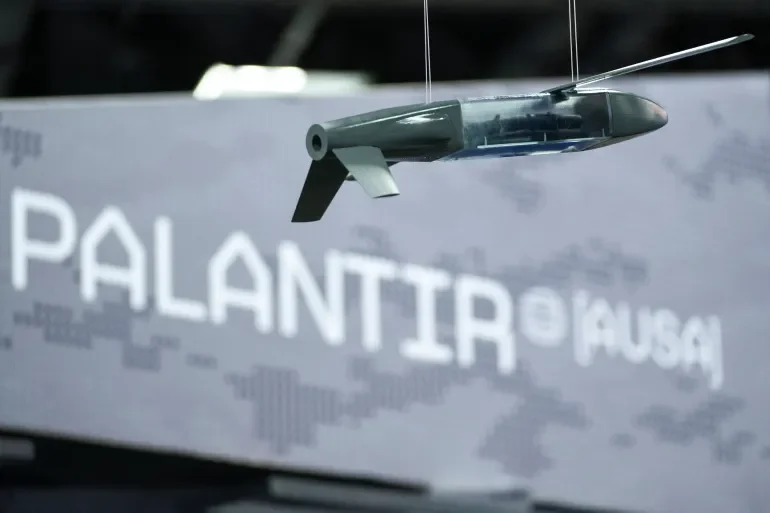
Anthropic's concern over removing safeguards for further U.S. military advancement comes after the Wall Street Journal revealed the DOD's use of Claude during its operation to illegally capture Venezuelan President Nicolás Maduro Moros. It was through Anthropic's partnership with Palantir that the DOD was able to use the AI model despite Anthropic's policy prohibiting its use in military operations. This comes as no surprise given Palantir's creation of the Maven Smart System (MSS), which serves at the center of U.S. military AI strategy. MSS compresses the 'kill chain' to increase first-strike effectiveness and integrates Anthropic's Claude to translate intelligence reports for officers and analysts to understand. While MSS started as a smaller project during the Russia-Ukraine war to collect data and refine the system, it was fully rolled out during the illegal war against Iran. The U.S. Tomahawk missile strike on Sharejeh Tayebeh Primary School in Minab killed 175 people, primarily children, and a New York Times investigation found it to be the result of outdated intelligence that had passed all the way through Central Command.
-
As the U.S. government continues existing contracts and begins new ones with Google, OpenAI, Amazon, Microsoft, SpaceX, Oracle, Nvidia, and the start-up Reflection to advance AI capabilities in military usage, safeguards and restrictions are needed now more than ever to ensure the safety of innocent civilians and the ethical use of AI within the government. AI software continues to make mistakes, and allowing it to determine life and death decisions leads to mass casualties from the recent strike on the Iranian school to Israel's indiscriminate killing of Palestinian civilians in the ongoing genocide. It was only under public scrutiny that Sam Altman reworked OpenAI's agreement with the government to ban the use of its models in American surveillance, though this has yet to be confirmed contractually. From overseas to the states, AI is being used by the DOD as an excuse to advance national security, but in reality poses a threat to all civilians without safeguards, restrictions, or accountability. Stay up to date on the latest news and take action now by emailing tech CEOs saying no AI for war.



Recent Updates
“We’re at a critical moment, when the actions being taken by tech companies and governments may decide the fate of humanity. Governments must end the use of AI in military targeting and create meaningful oversight of its other military uses. Companies must stop selling AI technologies and services for use in military targeting, autonomous weapons systems, and mass surveillance. Apple’s cancellation of a contract tied to the Pentagon’s Project Maven is a step in the right direction.” -Granate Kim, Campaigns Director of MPower Change